Search our shop

Red Light Therapy Mask: What to Look For, What to Avoid, and Why It Matters

There are hundreds of LED masks on the market. Most of them do not publish their wavelength or intensity specifications — because the numbers would not hold up to scrutiny. This guide covers what the clinical research actually says about red light therapy masks, which specifications separate effective devices from ineffective ones, and what to look for before you spend $200 or more on a device. If you want the science behind how red light therapy works at the cellular level, our complete guide to red light therapy covers the mechanism, the research, and the clinical evidence in full detail. This page focuses specifically on what to look for in a mask device and how to evaluate the options available to you.

There are hundreds of LED masks on the market. Most of them do not publish their wavelength or intensity specifications — because the numbers would not hold up to scrutiny. This guide covers what the clinical research actually says about red light therapy masks, which specifications separate effective devices from ineffective ones, and what to look for before you spend $200 or more on a device. If you want the science behind how red light therapy works at the cellular level, our complete guide to red light therapy covers the mechanism, the research, and the clinical evidence in full detail. This page focuses specifically on what to look for in a mask device and how to evaluate the options available to you.

What Is a Red Light Therapy Mask?

  • A red light therapy mask is a wearable LED device that delivers therapeutic wavelengths of light directly to the face. Unlike panel devices that sit at a distance or handheld wands that treat one small area at a time, a mask form factor covers the full face simultaneously and sits close enough to the skin to deliver light at therapeutic intensity across the entire treatment area.
  • The underlying technology is the same regardless of device type: specific wavelengths of light — measured in nanometers — are absorbed by cells in the skin, triggering a biological response that includes collagen stimulation, reduced inflammation, and improved circulation. What changes between device types is coverage, convenience, and the consistency of light delivery across the face.
  • Masks are the most practical format for at-home facial treatment because they eliminate the variables of distance and positioning that affect other device types. The light reaches the skin at a consistent intensity across the full face during every session, which matters more than most people realize — light intensity drops rapidly with even small increases in distance from the skin surface.

What Is a Red Light Therapy Mask?

  • A red light therapy mask is a wearable LED device that delivers therapeutic wavelengths of light directly to the face. Unlike panel devices that sit at a distance or handheld wands that treat one small area at a time, a mask form factor covers the full face simultaneously and sits close enough to the skin to deliver light at therapeutic intensity across the entire treatment area.
  • The underlying technology is the same regardless of device type: specific wavelengths of light — measured in nanometers — are absorbed by cells in the skin, triggering a biological response that includes collagen stimulation, reduced inflammation, and improved circulation. What changes between device types is coverage, convenience, and the consistency of light delivery across the face.
  • Masks are the most practical format for at-home facial treatment because they eliminate the variables of distance and positioning that affect other device types. The light reaches the skin at a consistent intensity across the full face during every session, which matters more than most people realize — light intensity drops rapidly with even small increases in distance from the skin surface.
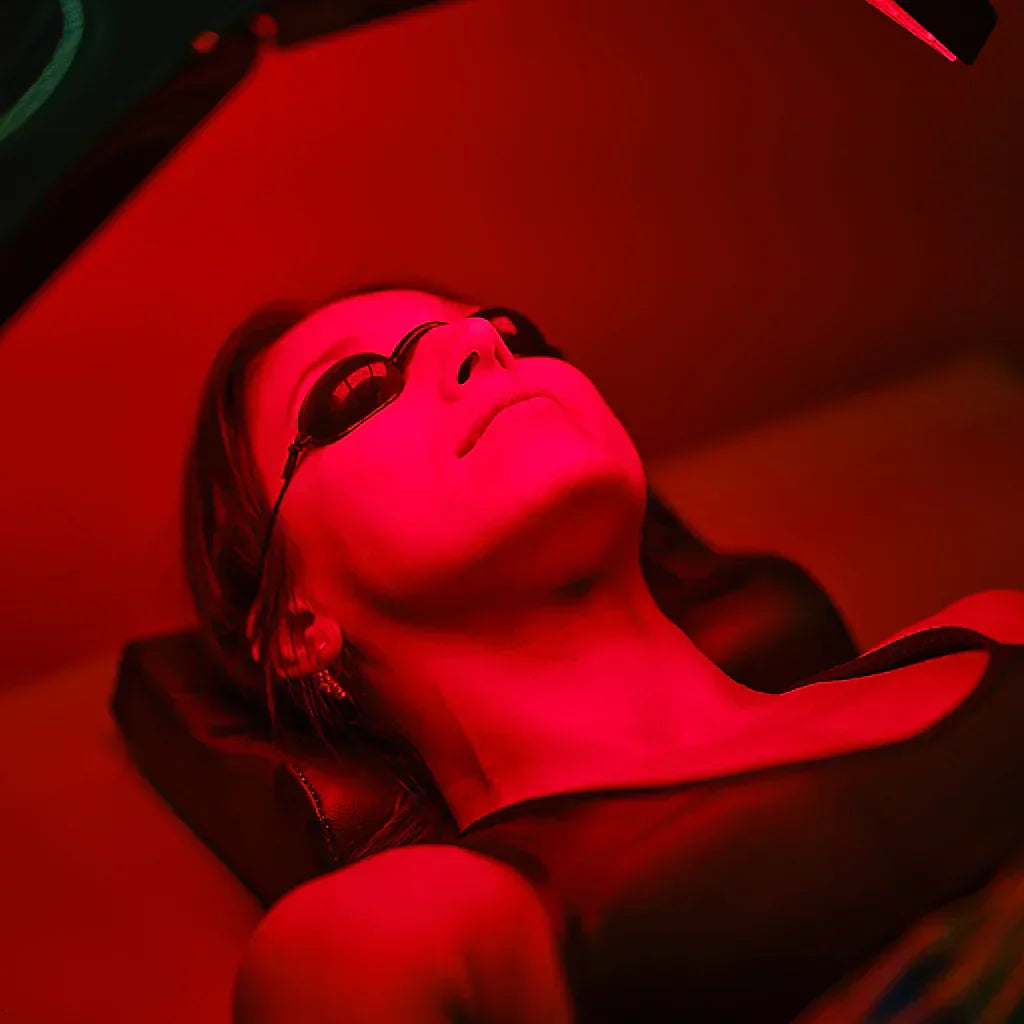
Person receiving red light therapy with medical equipment in a clinical setting.

The Specifications That Actually Matter in a Red Light Therapy Mask

The Specifications That Actually Matter in a Red Light Therapy Mask

Most LED mask marketing leads with LED count, color count, or before and after photos. These are the least useful things to evaluate. The specifications that determine whether a device will actually produce results are more specific — and most brands would rather you did not ask about them. Here is what to look for.

Most LED mask marketing leads with LED count, color count, or before and after photos. These are the least useful things to evaluate. The specifications that determine whether a device will actually produce results are more specific — and most brands would rather you did not ask about them. Here is what to look for.

Verified Wavelength

Wavelength is the single most important specification in any LED device. It determines what the light does inside the skin and how deeply it penetrates. Wavelength is measured in nanometers (nm), and the clinically validated ranges are narrow:

  • Red light at approximately 630–660 nm penetrates the upper layers of skin and is the primary driver of collagen stimulation. This is the most studied wavelength for fine lines, wrinkles, skin tone, and surface-level inflammation.
  • Near-infrared light at approximately 810–850 nm is invisible to the eye and penetrates deeper than red light, reaching beneath the skin's surface to support circulation, deeper tissue recovery, and the structural layers where aging begins.
  • Blue light at approximately 415–465 nm works at the surface and targets the bacteria responsible for inflammatory acne. It operates through a different mechanism than red and near-infrared and addresses a distinct set of concerns.

Any device that lists "red light" or "7 colors" or "multi-spectrum" without publishing specific nanometer values for each wavelength should be approached with caution. The nanometer value is not a minor detail — it is the specification that determines whether the light is doing anything clinically meaningful, or simply glowing.

Irradiance: The Intensity Specification Nobody Talks About

  • Irradiance measures how much light energy the device delivers to the skin per unit of time. It is measured in milliwatts per square centimeter (mW/cm²) and it is the most commonly omitted specification in LED mask marketing — because many consumer devices deliver far less light than would be needed to replicate the results seen in clinical research.

  • A device with beautiful design and a full set of published wavelengths can still underperform if its irradiance is too low to drive cellular change in a typical 10–15 minute session. This is the most common reason people use an LED mask consistently for weeks and see no results. The light is simply not strong enough.

  • When evaluating any device, look for the published irradiance figure. If it is not published, ask the manufacturer directly. A brand confident in its engineering will state this number openly.

LED Count and Coverage

  • LED count matters in the context of coverage — specifically, whether the LEDs are distributed densely enough to treat the full face without gaps, and whether the device positions them close enough to the skin to deliver light at useful intensity.

  • Gaps in coverage around the nose, jawline, and under the eyes are common in lower-quality mask designs. These areas are often where the earliest visible signs of aging and breakouts appear, which makes complete coverage more than an aesthetic consideration.

  • A higher LED count from a manufacturer who publishes their specifications is a positive signal. A high LED count from a brand that does not publish wavelength or irradiance data is not, on its own, meaningful.

Multi-Wavelength Capability

  • Devices that deliver only red light address one mechanism — collagen stimulation — at one depth. Devices that combine red, near-infrared, and blue light address multiple mechanisms at multiple depths in a single treatment session.

  • The clinical research supports this approach. A controlled trial published in Photomedicine and Laser Surgery demonstrated that polychromatic light — combining multiple wavelengths — produced skin rejuvenation results at least equivalent to single-wavelength red light, while extending the treatment's reach to deeper tissue layers and additional skin concerns.

  • For anyone dealing with more than one concern — aging and acne, for example, or surface texture and deeper firmness — a single-wavelength device requires multiple devices or multiple sessions to address what a combination device handles in one treatment.

Form Factor and Fit

  • Light intensity decreases rapidly with distance from the source. A mask that sits flush against the skin delivers meaningfully more usable light than one that holds the LEDs even a centimeter away from the surface.

  • Fit also affects consistency. A mask that requires you to hold it in place, or one that shifts during a session, introduces variability in the treatment that a secure, hands-free design eliminates.

  • Practical considerations — strap security, flexibility of the mask body, included eye protection, ease of cleaning — determine whether a device gets used consistently over months. Consistency is what produces results. A device with better specifications that gets used three times and abandoned delivers worse outcomes than a comfortable, well-fitted device used three times per week for twelve weeks.

A Manufacturer That Publishes Its Specifications

  • This is both a practical evaluation criterion and a signal about the brand you are buying from. Manufacturers who are confident in their engineering publish wavelengths in nanometers, irradiance in mW/cm², LED count, and safety testing information openly because these numbers support their claims.

  • Manufacturers who lead with color counts, lifestyle imagery, and influencer endorsements while omitting technical specifications are often doing so because the specifications would not survive comparison to devices that publish them. This is not a minor marketing distinction. It is information about what you are actually buying.

Verified Wavelength

Wavelength is the single most important specification in any LED device. It determines what the light does inside the skin and how deeply it penetrates. Wavelength is measured in nanometers (nm), and the clinically validated ranges are narrow:

  • Red light at approximately 630–660 nm penetrates the upper layers of skin and is the primary driver of collagen stimulation. This is the most studied wavelength for fine lines, wrinkles, skin tone, and surface-level inflammation.
  • Near-infrared light at approximately 810–850 nm is invisible to the eye and penetrates deeper than red light, reaching beneath the skin's surface to support circulation, deeper tissue recovery, and the structural layers where aging begins.
  • Blue light at approximately 415–465 nm works at the surface and targets the bacteria responsible for inflammatory acne. It operates through a different mechanism than red and near-infrared and addresses a distinct set of concerns.

Any device that lists "red light" or "7 colors" or "multi-spectrum" without publishing specific nanometer values for each wavelength should be approached with caution. The nanometer value is not a minor detail — it is the specification that determines whether the light is doing anything clinically meaningful, or simply glowing.

Irradiance: The Intensity Specification Nobody Talks About

  • Irradiance measures how much light energy the device delivers to the skin per unit of time. It is measured in milliwatts per square centimeter (mW/cm²) and it is the most commonly omitted specification in LED mask marketing — because many consumer devices deliver far less light than would be needed to replicate the results seen in clinical research.

  • A device with beautiful design and a full set of published wavelengths can still underperform if its irradiance is too low to drive cellular change in a typical 10–15 minute session. This is the most common reason people use an LED mask consistently for weeks and see no results. The light is simply not strong enough.

  • When evaluating any device, look for the published irradiance figure. If it is not published, ask the manufacturer directly. A brand confident in its engineering will state this number openly.

LED Count and Coverage

  • LED count matters in the context of coverage — specifically, whether the LEDs are distributed densely enough to treat the full face without gaps, and whether the device positions them close enough to the skin to deliver light at useful intensity.

  • Gaps in coverage around the nose, jawline, and under the eyes are common in lower-quality mask designs. These areas are often where the earliest visible signs of aging and breakouts appear, which makes complete coverage more than an aesthetic consideration.

  • A higher LED count from a manufacturer who publishes their specifications is a positive signal. A high LED count from a brand that does not publish wavelength or irradiance data is not, on its own, meaningful.

Multi-Wavelength Capability

  • Devices that deliver only red light address one mechanism — collagen stimulation — at one depth. Devices that combine red, near-infrared, and blue light address multiple mechanisms at multiple depths in a single treatment session.

  • The clinical research supports this approach. A controlled trial published in Photomedicine and Laser Surgery demonstrated that polychromatic light — combining multiple wavelengths — produced skin rejuvenation results at least equivalent to single-wavelength red light, while extending the treatment's reach to deeper tissue layers and additional skin concerns.

  • For anyone dealing with more than one concern — aging and acne, for example, or surface texture and deeper firmness — a single-wavelength device requires multiple devices or multiple sessions to address what a combination device handles in one treatment.

Form Factor and Fit

  • Light intensity decreases rapidly with distance from the source. A mask that sits flush against the skin delivers meaningfully more usable light than one that holds the LEDs even a centimeter away from the surface.

  • Fit also affects consistency. A mask that requires you to hold it in place, or one that shifts during a session, introduces variability in the treatment that a secure, hands-free design eliminates.

  • Practical considerations — strap security, flexibility of the mask body, included eye protection, ease of cleaning — determine whether a device gets used consistently over months. Consistency is what produces results. A device with better specifications that gets used three times and abandoned delivers worse outcomes than a comfortable, well-fitted device used three times per week for twelve weeks.

A Manufacturer That Publishes Its Specifications

  • This is both a practical evaluation criterion and a signal about the brand you are buying from. Manufacturers who are confident in their engineering publish wavelengths in nanometers, irradiance in mW/cm², LED count, and safety testing information openly because these numbers support their claims.

  • Manufacturers who lead with color counts, lifestyle imagery, and influencer endorsements while omitting technical specifications are often doing so because the specifications would not survive comparison to devices that publish them. This is not a minor marketing distinction. It is information about what you are actually buying.

What Red Light Therapy Masks Are Used For

The clinical applications of red light therapy masks fall into four primary categories. Each is driven by a different wavelength mechanism, which is why multi-wavelength devices are able to address several concerns simultaneously while single-wavelength devices are limited to one.

Anti-Aging: Collagen, Elastin, and Fine Lines

Red light at 630–660 nm stimulates fibroblast cells, which are responsible for producing collagen and elastin — the structural proteins that give skin its firmness and elasticity. With consistent use over weeks, this process visibly reduces the appearance of fine lines and wrinkles, improves skin texture, and supports a more even skin tone.

Near-infrared at 850 nm works deeper, reaching the tissue layers below what red light alone can access and supporting circulation that brings nutrients and oxygen to the cellular level. The combination of red and near-infrared for anti-aging produces results that neither wavelength achieves alone. For a full breakdown of the collagen mechanism and the clinical research that supports it, see our complete guide to red light therapy.

Acne and Skin Clarity

Blue light at 415–465 nm targets Cutibacterium acnes — the bacteria responsible for inflammatory breakouts — by producing reactive oxygen species that damage the bacterial cell walls. Red light contributes by reducing the inflammation associated with active breakouts.Together, the two wavelengths address both the bacterial cause and the inflammatory response, which is why combination treatment consistently outperforms either wavelength used alone in clinical research. For a detailed guide to the mechanism, the research, and how to use blue light therapy for acne effectively, see our dedicated blue light therapy for acne guide.

Skin Tone, Texture, and Redness

By supporting collagen production, improving circulation, and reducing cellular inflammation, consistent red light therapy use improves overall skin texture, helps even out tone, and calms persistent redness. These effects compound over weeks of regular use rather than appearing after a single session.

Recovery and Circulation

Near-infrared's deeper penetration makes it the wavelength of choice for applications that go beyond the skin's surface — including improved circulation, reduced deep tissue inflammation, and support for the skin's natural repair processes. This is the mechanism behind near-infrared's use in muscle and joint recovery, and it applies equally to the skin's own cellular recovery processes. For more on near-infrared specifically, see our guide to near-infrared light therapy for recovery.
What Red Light Therapy Masks Are Used For

The clinical applications of red light therapy masks fall into four primary categories. Each is driven by a different wavelength mechanism, which is why multi-wavelength devices are able to address several concerns simultaneously while single-wavelength devices are limited to one.

Anti-Aging: Collagen, Elastin, and Fine Lines

Red light at 630–660 nm stimulates fibroblast cells, which are responsible for producing collagen and elastin — the structural proteins that give skin its firmness and elasticity. With consistent use over weeks, this process visibly reduces the appearance of fine lines and wrinkles, improves skin texture, and supports a more even skin tone.

Near-infrared at 850 nm works deeper, reaching the tissue layers below what red light alone can access and supporting circulation that brings nutrients and oxygen to the cellular level. The combination of red and near-infrared for anti-aging produces results that neither wavelength achieves alone. For a full breakdown of the collagen mechanism and the clinical research that supports it, see our complete guide to red light therapy.

Acne and Skin Clarity

Blue light at 415–465 nm targets Cutibacterium acnes — the bacteria responsible for inflammatory breakouts — by producing reactive oxygen species that damage the bacterial cell walls. Red light contributes by reducing the inflammation associated with active breakouts.Together, the two wavelengths address both the bacterial cause and the inflammatory response, which is why combination treatment consistently outperforms either wavelength used alone in clinical research. For a detailed guide to the mechanism, the research, and how to use blue light therapy for acne effectively, see our dedicated blue light therapy for acne guide.

Skin Tone, Texture, and Redness

By supporting collagen production, improving circulation, and reducing cellular inflammation, consistent red light therapy use improves overall skin texture, helps even out tone, and calms persistent redness. These effects compound over weeks of regular use rather than appearing after a single session.

Recovery and Circulation

Near-infrared's deeper penetration makes it the wavelength of choice for applications that go beyond the skin's surface — including improved circulation, reduced deep tissue inflammation, and support for the skin's natural repair processes. This is the mechanism behind near-infrared's use in muscle and joint recovery, and it applies equally to the skin's own cellular recovery processes. For more on near-infrared specifically, see our guide to near-infrared light therapy for recovery.

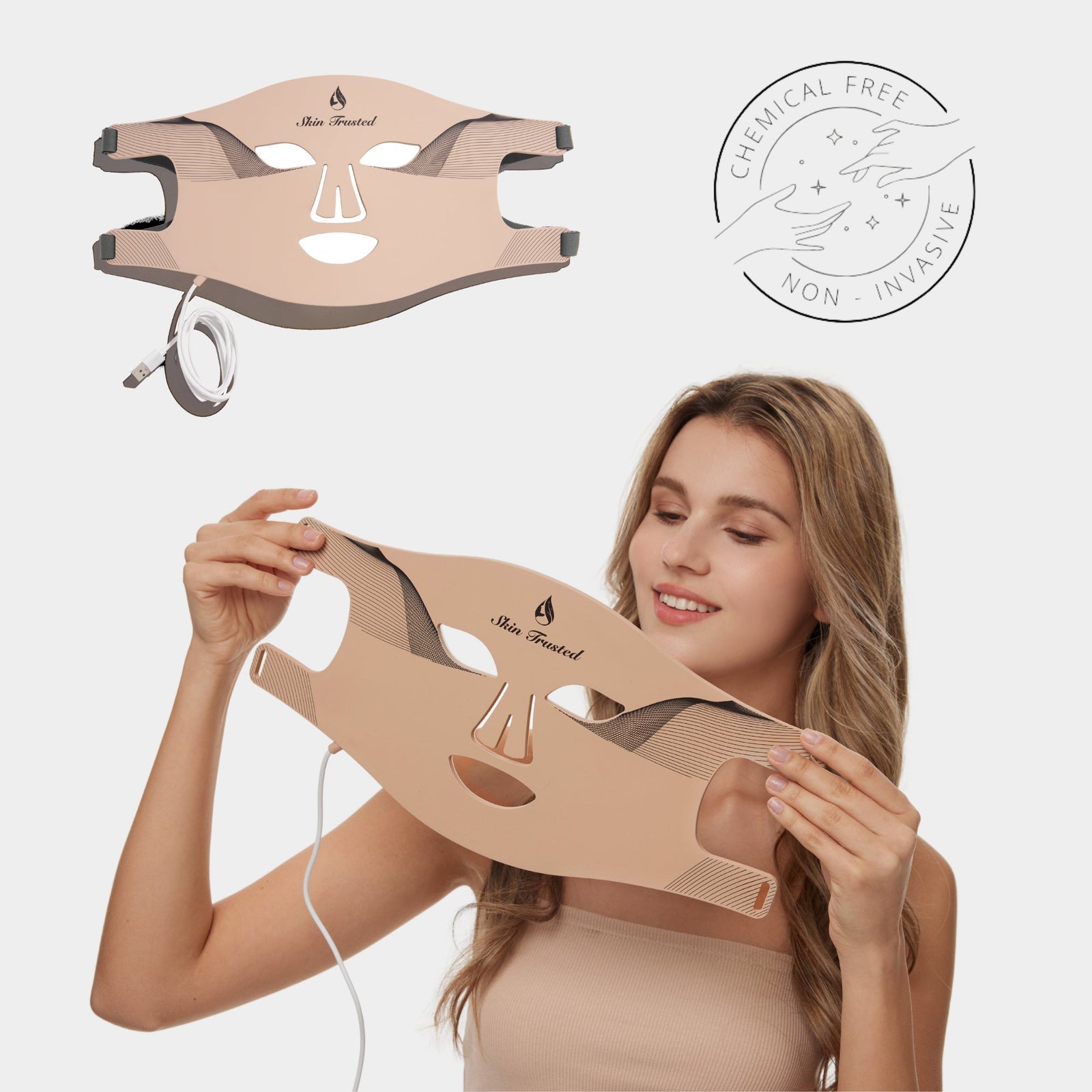
LED face mask with red light held by a hand against a neutral background

How to Use a Red Light Therapy Mask

How to Use a Red Light Therapy Mask

Getting results from a red light therapy mask is less about any single session and more about technique and consistency applied over weeks. The following steps apply to any quality at-home device.

Getting results from a red light therapy mask is less about any single session and more about technique and consistency applied over weeks. The following steps apply to any quality at-home device.

Step 1: Start with Clean, Dry, Product-Free Skin

Sunscreen, moisturizer, makeup, and active serums can block or scatter light before it reaches the skin. Cleanse and dry your face thoroughly before each session. Save your post-session skincare for after the treatment, when your skin's receptivity is highest.

Step 2: Secure the Device and Protect Your Eyes

Position the mask so the LEDs sit as close to the skin as possible without direct contact. Use the included eye protection during every session. Never look directly into the LEDs regardless of wavelength, this applies equally to red, near-infrared, and blue light.

Step 3: Select Your Mode and Session Duration

For most at-home facial devices, 10–15 minutes per session is the clinically supported range. Longer sessions do not produce better results — cells absorb available light within this window, and extending the session adds no additional benefit. If your device offers multiple wavelength modes, a combination mode that delivers red, near-infrared, and blue simultaneously — like the Purple Complex mode on the Skin Trusted mask — covers all three mechanisms in a single session.

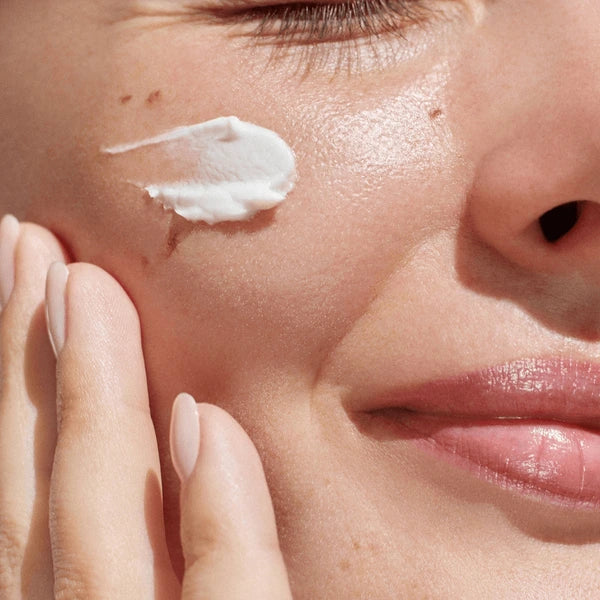
Step 4: Apply Skincare Immediately After

The minutes immediately after a session are when your skin is most receptive to active ingredients. Apply your serums and moisturizer within a few minutes of finishing. For guidance on which ingredients work best in the post-session window and which to avoid, see our guide to the best serums to use with your LED mask and the best moisturizer after red light therapy.

Step 5: Be Consistent Over Weeks, Not Days

Red light therapy works by supporting biological processes that operate on a timeline measured in weeks, not sessions. The most effective rhythm for most people is 3–5 sessions per week during an initial loading phase of 6–8 weeks, then 2–3 sessions per week for maintenance. A device used three times per week for twelve weeks will produce meaningfully better results than the same device used daily for two weeks and then abandoned.

Step 1: Start with Clean, Dry, Product-Free Skin

Sunscreen, moisturizer, makeup, and active serums can block or scatter light before it reaches the skin. Cleanse and dry your face thoroughly before each session. Save your post-session skincare for after the treatment, when your skin's receptivity is highest.

Step 2: Secure the Device and Protect Your Eyes

Position the mask so the LEDs sit as close to the skin as possible without direct contact. Use the included eye protection during every session. Never look directly into the LEDs regardless of wavelength, this applies equally to red, near-infrared, and blue light.

Step 3: Select Your Mode and Session Duration

For most at-home facial devices, 10–15 minutes per session is the clinically supported range. Longer sessions do not produce better results — cells absorb available light within this window, and extending the session adds no additional benefit. If your device offers multiple wavelength modes, a combination mode that delivers red, near-infrared, and blue simultaneously — like the Purple Complex mode on the Skin Trusted mask — covers all three mechanisms in a single session.

Step 4: Apply Skincare Immediately After

The minutes immediately after a session are when your skin is most receptive to active ingredients. Apply your serums and moisturizer within a few minutes of finishing. For guidance on which ingredients work best in the post-session window and which to avoid, see our guide to the best serums to use with your LED mask and the best moisturizer after red light therapy.

Step 5: Be Consistent Over Weeks, Not Days

Red light therapy works by supporting biological processes that operate on a timeline measured in weeks, not sessions. The most effective rhythm for most people is 3–5 sessions per week during an initial loading phase of 6–8 weeks, then 2–3 sessions per week for maintenance. A device used three times per week for twelve weeks will produce meaningfully better results than the same device used daily for two weeks and then abandoned.

Before and after skin treatment results with photon therapy, showing skin texture and collagen ultrasonography images.
Before and after results of a skin treatment with photonic therapy, showing skin texture and collagen ultrasonography images.

Red Light Therapy Mask Results: What to Realistically Expect

Red light therapy produces real, compounding results — but it operates on a biological timeline. Understanding what to expect at each stage prevents the two most common reasons people stop using their device prematurely: expecting results too quickly, or not recognizing early progress when it appears.

Weeks 1–2: Skin Calming and Baseline Improvement

In the first two weeks of consistent use, most people notice reduced redness and calmer skin overall. Those using the device for acne typically see fewer new breakouts during this period as blue light begins suppressing bacterial activity. These early effects are real but subtle — they represent the foundation being built, not the finished result.

Weeks 3–4: First Visible Changes in Texture and Tone

By weeks three and four, collagen stimulation begins to produce visible changes in skin texture. Existing fine lines may appear softer. Skin tone tends to even out. Post-acne marks may begin fading with consistent near-infrared use. These changes are gradual — the kind that someone who sees you regularly might not notice immediately, but that show clearly in side-by-side photos from the start of treatment.

Weeks 6–8: Meaningful Collagen Improvement

The most significant anti-aging improvements typically become visible around weeks six to eight, when collagen remodeling has had enough time to produce structural changes in the skin. Firmness improves. Fine lines reduce more noticeably. Skin appears more uniformly healthy. This is the stage documented in controlled clinical trials,which typically run for eight to twelve weeks.

Months 3–6 and Beyond: Compounding Results

Continued consistent use produces compounding improvement. The gains from the first two months do not plateau — they continue to build as long as treatment continues regularly. This is the stage most people reach when they describe the device as having changed their skincare routine permanently. For before and after photos and a more detailed breakdown of realistic expectations by skin concern, see our guide to red light therapy results.

Red Light Therapy Mask Results: What to Realistically Expect

Red light therapy produces real, compounding results — but it operates on a biological timeline. Understanding what to expect at each stage prevents the two most common reasons people stop using their device prematurely: expecting results too quickly, or not recognizing early progress when it appears.

Weeks 1–2: Skin Calming and Baseline Improvement

In the first two weeks of consistent use, most people notice reduced redness and calmer skin overall. Those using the device for acne typically see fewer new breakouts during this period as blue light begins suppressing bacterial activity. These early effects are real but subtle — they represent the foundation being built, not the finished result.

Weeks 3–4: First Visible Changes in Texture and Tone

By weeks three and four, collagen stimulation begins to produce visible changes in skin texture. Existing fine lines may appear softer. Skin tone tends to even out. Post-acne marks may begin fading with consistent near-infrared use. These changes are gradual — the kind that someone who sees you regularly might not notice immediately, but that show clearly in side-by-side photos from the start of treatment.

Weeks 6–8: Meaningful Collagen Improvement

The most significant anti-aging improvements typically become visible around weeks six to eight, when collagen remodeling has had enough time to produce structural changes in the skin. Firmness improves. Fine lines reduce more noticeably. Skin appears more uniformly healthy. This is the stage documented in controlled clinical trials,which typically run for eight to twelve weeks.

Months 3–6 and Beyond: Compounding Results

Continued consistent use produces compounding improvement. The gains from the first two months do not plateau — they continue to build as long as treatment continues regularly. This is the stage most people reach when they describe the device as having changed their skincare routine permanently. For before and after photos and a more detailed breakdown of realistic expectations by skin concern, see our guide to red light therapy results.

The Skin Trusted LED Light Therapy Mask

The Skin Trusted LED Light Therapy Mask

We designed the Skin Trusted mask around the specifications that matter — the ones covered in this guide — because we believe the device you use should be built to the same standard you would apply when evaluating any device.

Here's what the Skin Trusted mask delivers against those criteria:

We designed the Skin Trusted mask around the specifications that matter — the ones covered in this guide — because we believe the device you use should be built to the same standard you would apply when evaluating any device.

Here's what the Skin Trusted mask delivers against those criteria:

?

Wavelengths

Red (630 nm), blue (460 nm), and near-infrared (850 nm) - all within the clinically validated ranges and multi-wavelength capability.

?

Irradiance

50 mW/cm² - the intensity specification that determines whether the light is strong enough to drive cellular change in a 10–15 minute session.

?

LED Count

216 LEDs positioned to sit close to the skin across the full face including the areas where gaps are most common in lower-quality designs.

?

Purple Complex

Patented combination mode delivers red, blue, and near-infrared simultaneously. Helps collagen stimulation, acne, and anti-aging at multiple depths.

?

Price

$199 - a fraction of the cost of comparable devices, and within the range of a single professional treatment at a dermatology office or medspa.

Frequently asked questions

The most important specifications are wavelength (stated in nanometers), irradiance (measured in mW/cm²), LED count and coverage, and whether the manufacturer publishes these figures openly. A device that cannot or will not state its wavelengths precisely is difficult to evaluate against the clinical research — and most of the research supporting red light therapy's benefits was conducted at specific, validated wavelength ranges.

Red light at approximately 630–660 nm is the most clinically studied wavelength for skin rejuvenation, collagen stimulation, and fine line reduction. Near-infrared at approximately 810–850 nm penetrates deeper and supports circulation and tissue recovery. Blue light at approximately 415–465 nm targets acne-causing bacteria at the surface. A device that combines all three addresses the broadest range of concerns in a single treatment.
LED count matters in the context of coverage and positioning. A mask with 216 LEDs distributed to cover the full face — including the nose, jawline, and under-eye areas — is more useful than a mask with fewer LEDs that leaves gaps in treatment coverage. LED count alone,without the context of wavelength and irradiance, is not a sufficient basis for evaluation.

With consistent use — 3 to 5 sessions per week, 10 to 15 minutes each — visible changes in skin texture and tone typically begin to appear around weeks three to four. Meaningful collagen improvement becomes visible around weeks six to eight. These timelines reflect the biological processes involved, which operate on a schedule that cannot be significantly accelerated.

The evidence-supported rhythm is 3–5 sessions per week during an initial 6–8 week loading phase, then 2–3 sessions per week for ongoing maintenance. Consistency over months matters more than the intensity or duration of any single session.

Yes, when used as directed. Red light therapy is non-invasive,UV-free, and gentler than most topical treatments. The primary risks arise from misuse — excessive session length, ignoring manufacturer guidance, or using the device without eye protection. Those who are pregnant, have photosensitive conditions, or take medications that cause photo sensitivity should consult a health care provider before use.

Red light at 630–660 nm is visible and penetrates the upper layers of skin, primarily driving collagen production. Near-infrared at810–850 nm is invisible to the eye and penetrates deeper, reaching beneath the skin's surface to support circulation and recovery. They address different mechanisms at different depths, which is why combination devices that deliver both produce more comprehensive results than red-only devices.

Yes. Blue light at 415–465 nm targets the bacteria responsible for inflammatory breakouts. Red light helps reduce the inflammation associated with active acne. Research consistently shows that combination blue and red light treatment outperforms either wavelength used alone for active inflammatory acne. For a detailed guide to this mechanism and how to use it effectively, see our blue light therapy for acne guide.

Quality at-home LED masks with verified wavelengths and published irradiance figures typically range from $150 to $500 or more.Medical-grade clinical devices cost significantly more. The most important factor is not price but whether the manufacturer publishes verifiable specifications — wavelength in nanometers, irradiance in mW/cm², LED count — that you can evaluate against the clinical research. A $200 device with published, validated specifications will deliver better results than a $400 device that cannot or will not state its wavelengths.

Panel devices sit at a distance from the skin and are typically used for the face and body. Masks are worn directly on the face, which keeps the LEDs at a consistent distance from the skin and delivers more even coverage across the full face in each session. For at-home facial treatment, the mask form factor eliminates the positioning variables that affect panel use and produces more consistent treatment delivery.

Skincare professional holding Skin Trusted LED Light Therapy Mask – FAQ reference image

Unlock the full potential of your LED light therapy mask by pairing it with the right skincare ingredients. Discover which serums amplify your results and which ones to avoid for a truly radiant, healthy complexion.

  • by Skin Trusted Editorial Team
  • 3 min read
  • What you do after your session is just as important as the session itself. Discover how to choose the best moisturizer after red light therapy to lock in hydration and support your skin barrier. We look at key ingredients like Ceramides and Squalane that help "seal in" the LED results and keep your skin plump and protected.

  • by Skin Trusted Editorial Team
  • 3 min read
  • Do you need eye protection for red light therapy mask sessions? While LED therapy is a skincare breakthrough, high-power devices require proper ocular safety. Learn why medical-grade silicone eye shields are essential for protecting your vision from intense 415nm blue and 630nm red light during your 10-minute professional treatment.

  • by Skin Trusted Editorial Team
  • 3 min read