Search our shop

About Skin Trusted

Skin Trusted is a San Francisco Bay Area company with roots in medical engineering and optical science. Our sole focus is on LED light therapy devices and we've engineered them to meet the most stringent specifications. We publish every number that matters - wavelength, irradiance, LED count - because we believe the device you use should be built to the standard you would apply if you knew exactly what to look for.
Most LED mask brands hope you don't know what to look for. We've built our entire company around the assumption that you do.
Skin Trusted is a San Francisco Bay Area company with roots in medical engineering and optical science. Our sole focus is on LED light therapy devices and we've engineered them to meet the most stringent specifications. We publish every number that matters - wavelength, irradiance, LED count - because we believe the device you use should be built to the standard you would apply if you knew exactly what to look for.
Most LED mask brands hope you don't know what to look for. We've built our entire company around the assumption that you do.
LED-Technology-High-Tech

Where Skin Trusted Came From

Skin Trusted grew out of a frustration that will be familiar to anyone who's researched LED light therapy seriously: the gap between what the clinical science supports and what most consumer devices actually deliver.

The research on photobiomodulation — the biological process by which specific wavelengths of light trigger measurable cellular responses — is substantial. Studies dating back to NASA research in the 1990s through to peer-reviewed trials published in the Journal of Investigative Dermatology and Photomedicine and Laser Surgery have established specific wavelength ranges, irradiance thresholds, and treatment protocols that reliably produce results for collagen stimulation, inflammation reduction, and acne treatment.

The problem is that most consumer LED devices are not built to these specifications. Wavelengths are described vaguely as "red light" or "7-color spectrum" without nanometer values. Irradiance — the single most important measure of whether a device delivers enough light energy to drive cellular change — is rarely published at all. LED count is cited as a primary selling point, stripped of the context that makes it meaningful.

We set out to build a device that closes that gap. One device, engineered to the specifications the research actually supports, with every number published and verifiable.

Where Skin Trusted Came From

Skin Trusted grew out of a frustration that will be familiar to anyone who's researched LED light therapy seriously: the gap between what the clinical science supports and what most consumer devices actually deliver.

The research on photobiomodulation — the biological process by which specific wavelengths of light trigger measurable cellular responses — is substantial. Studies dating back to NASA research in the 1990s through to peer-reviewed trials published in the Journal of Investigative Dermatology and Photomedicine and Laser Surgery have established specific wavelength ranges, irradiance thresholds, and treatment protocols that reliably produce results for collagen stimulation, inflammation reduction, and acne treatment.

The problem is that most consumer LED devices are not built to these specifications. Wavelengths are described vaguely as "red light" or "7-color spectrum" without nanometer values. Irradiance — the single most important measure of whether a device delivers enough light energy to drive cellular change — is rarely published at all. LED count is cited as a primary selling point, stripped of the context that makes it meaningful.

We set out to build a device that closes that gap. One device, engineered to the specifications the research actually supports, with every number published and verifiable.

The Engineering Behind the Device

The team behind Skin Trusted brings together backgrounds in medical device engineering, optical systems, and photobiomodulation science. The San Francisco Bay Area and Silicon Valley have long been a center for the intersection of life sciences and precision engineering, and that environment shaped how we think about what a consumer device should be: not a wellness accessory, but a clinical tool designed for home use.

Building to clinical specifications at a consumer price point is an engineering problem before it is anything else. It requires decisions at every stage — LED selection, wavelength verification, power delivery, device geometry — that most consumer brands do not make because the standards they are building to do not require them.

We made those decisions. The result is a device where the specifications are not a marketing claim. They are engineering outputs, verifiable against the clinical literature that generated them.

The Engineering Behind the Device

The team behind Skin Trusted brings together backgrounds in medical device engineering, optical systems, and photobiomodulation science. The San Francisco Bay Area and Silicon Valley have long been a center for the intersection of life sciences and precision engineering, and that environment shaped how we think about what a consumer device should be: not a wellness accessory, but a clinical tool designed for home use.

Building to clinical specifications at a consumer price point is an engineering problem before it is anything else. It requires decisions at every stage — LED selection, wavelength verification, power delivery, device geometry — that most consumer brands do not make because the standards they are building to do not require them.

We made those decisions. The result is a device where the specifications are not a marketing claim. They are engineering outputs, verifiable against the clinical literature that generated them.

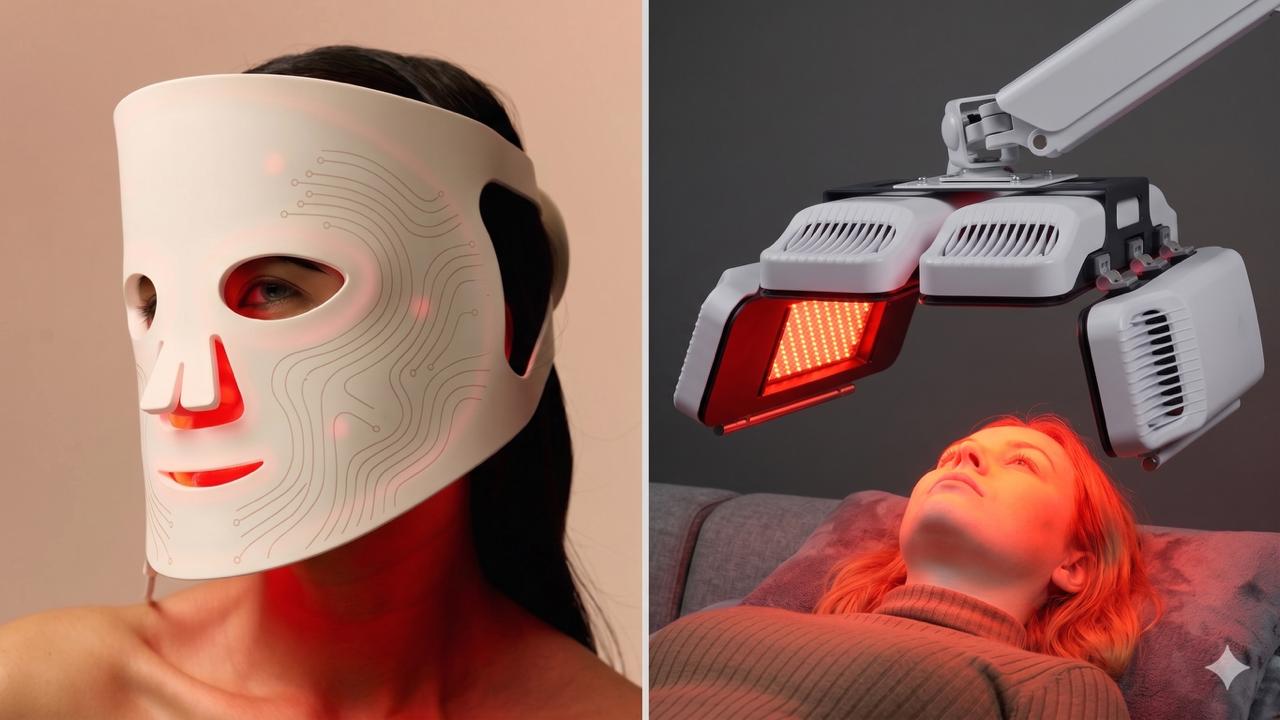
At-home red light therapy device vs professional salon treatment – comparison of intensity and coverage

Why We Built a Three-Wavelength Device

Most LED mask brands pick one wavelength and call it LED therapy. Red light for anti-aging. Blue light for acne. The framing is simple, and for a single-concern user, a single-wavelength device is better than nothing. But it also means choosing between benefits that the research supports delivering simultaneously and it misses the most important finding in the combined-wavelength literature: that the results of red and blue light used together are meaningfully better than either used alone.

The Three Mechanisms

The Skin Trusted mask delivers three clinically validated wavelengths in a single device:

Red light at 630 nm penetrates the upper skin layers and drives collagen and elastin production through fibroblast stimulation. This is the most studied wavelength in the anti-aging literature, with consistent evidence for fine line reduction, improved skin texture, and more even skin tone with regular use.

Near-infrared at 850 nm is invisible to the eye and penetrates deeper than red light, reaching the structural layers beneath the skin's surface. It supports circulation, reduces deep tissue inflammation, and extends the anti-aging benefit of red light to depths that red light alone cannot access.

Blue light at 460 nm addresses inflammatory acne through a photochemical mechanism: it activates porphyrins naturally produced by Cutibacterium acnes — the bacteria responsible for inflammatory breakouts — which generates reactive oxygen species that destroy the bacterial cell. Combined with red light's anti-inflammatory effect, this dual-wavelength approach consistently outperforms either wavelength used alone in controlled trials.

The Purple Complex Mode

Together, these three wavelengths cover the three primary mechanisms of LED light therapy: collagen stimulation, deep tissue support, and bacterial reduction. Our patented Purple Complex mode delivers all three simultaneously in a single 10–15 minute session, addressing anti-aging, acne, and skin repair at multiple depths without requiring separate devices or multiple treatment sessions.

This is not a feature list. It's the reason we built the device this way: the evidence supports it, and because a single well-engineered device that covers all three mechanisms is more useful than three single-wavelength devices marketed separately.
The Three Mechanisms

The Skin Trusted mask delivers three clinically validated wavelengths in a single device:

Red light at 630 nm penetrates the upper skin layers and drives collagen and elastin production through fibroblast stimulation. This is the most studied wavelength in the anti-aging literature, with consistent evidence for fine line reduction, improved skin texture, and more even skin tone with regular use.

Near-infrared at 850 nm is invisible to the eye and penetrates deeper than red light, reaching the structural layers beneath the skin's surface. It supports circulation, reduces deep tissue inflammation, and extends the anti-aging benefit of red light to depths that red light alone cannot access.

Blue light at 460 nm addresses inflammatory acne through a photochemical mechanism: it activates porphyrins naturally produced by Cutibacterium acnes — the bacteria responsible for inflammatory breakouts — which generates reactive oxygen species that destroy the bacterial cell. Combined with red light's anti-inflammatory effect, this dual-wavelength approach consistently outperforms either wavelength used alone in controlled trials.

The Purple Complex Mode

Together, these three wavelengths cover the three primary mechanisms of LED light therapy: collagen stimulation, deep tissue support, and bacterial reduction. Our patented Purple Complex mode delivers all three simultaneously in a single 10–15 minute session, addressing anti-aging, acne, and skin repair at multiple depths without requiring separate devices or multiple treatment sessions.

This is not a feature list. It's the reason we built the device this way: the evidence supports it, and because a single well-engineered device that covers all three mechanisms is more useful than three single-wavelength devices marketed separately.

Our Commitment to Specification Transparency

Every specification on the Skin Trusted device is published because every specification can be verified.

Wavelength: 630 nm red, 850 nm near-infrared, 460 nm blue — stated in nanometers, not described as "red" or "warm glow" or "spectrum therapy."

Irradiance: 50 mW/cm² — the measure of light energy delivered per square centimeter per second, which determines whether the device is capable of driving the cellular responses documented in the clinical research.

LED count: 216 — distributed to cover the full face including the areas where gaps are most common in lower-quality designs.

We publish these numbers because they are good. We publish them because we believe you should be able to compare them against any other device on the market, and against the specifications used in the clinical trials that established what LED therapy can do. Transparency is the logical consequence of building something worth being transparent about.

Our Commitment to Specification Transparency

Every specification on the Skin Trusted device is published because every specification can be verified.

Wavelength: 630 nm red, 850 nm near-infrared, 460 nm blue — stated in nanometers, not described as "red" or "warm glow" or "spectrum therapy."

Irradiance: 50 mW/cm² — the measure of light energy delivered per square centimeter per second, which determines whether the device is capable of driving the cellular responses documented in the clinical research.

LED count: 216 — distributed to cover the full face including the areas where gaps are most common in lower-quality designs.

We publish these numbers because they are good. We publish them because we believe you should be able to compare them against any other device on the market, and against the specifications used in the clinical trials that established what LED therapy can do. Transparency is the logical consequence of building something worth being transparent about.

Model-holding- one-LED-device-built-right

One Device. Built Right.

We make one product. That is a deliberate choice.

A single focus company cannot hide behind a large product line. Every engineering decision, every specification choice, every quality commitment shows up in the one device we sell. There is no entry-level version built to a lower standard, no premium version that reveals what the standard version is actually missing. There is one mask, one set of specifications, one standard.

At $199, the Skin Trusted mask is positioned at a fraction of the cost of comparable devices and well within the range of a single professional photodynamic therapy session. That pricing reflects a decision to make a clinically-specified device accessible for consistent at-home use — which is the use case the research most strongly supports.

If you want to understand exactly what to look for when evaluating any LED mask — including the specifications that most brands would rather you did not ask about — our complete red light therapy mask buyer's guide covers every specification in detail.

One Device. Built Right.

We make one product. That is a deliberate choice.

A single focus company cannot hide behind a large product line. Every engineering decision, every specification choice, every quality commitment shows up in the one device we sell. There is no entry-level version built to a lower standard, no premium version that reveals what the standard version is actually missing. There is one mask, one set of specifications, one standard.

At $199, the Skin Trusted mask is positioned at a fraction of the cost of comparable devices and well within the range of a single professional photodynamic therapy session. That pricing reflects a decision to make a clinically-specified device accessible for consistent at-home use — which is the use case the research most strongly supports.

If you want to understand exactly what to look for when evaluating any LED mask — including the specifications that most brands would rather you did not ask about — our complete red light therapy mask buyer's guide covers every specification in detail.

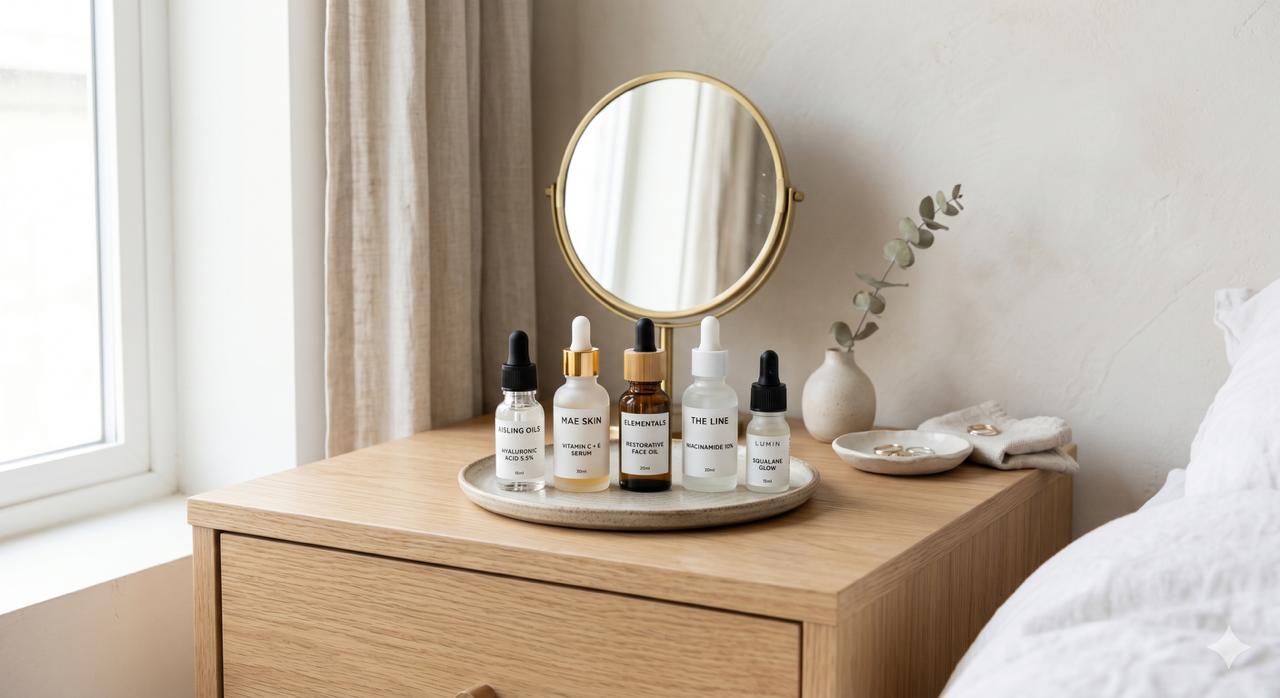
Unlock the full potential of your LED light therapy mask by pairing it with the right skincare ingredients. Discover which serums amplify your results and which ones to avoid for a truly radiant, healthy complexion.

  • by Skin Trusted Editorial Team
  • 3 min read
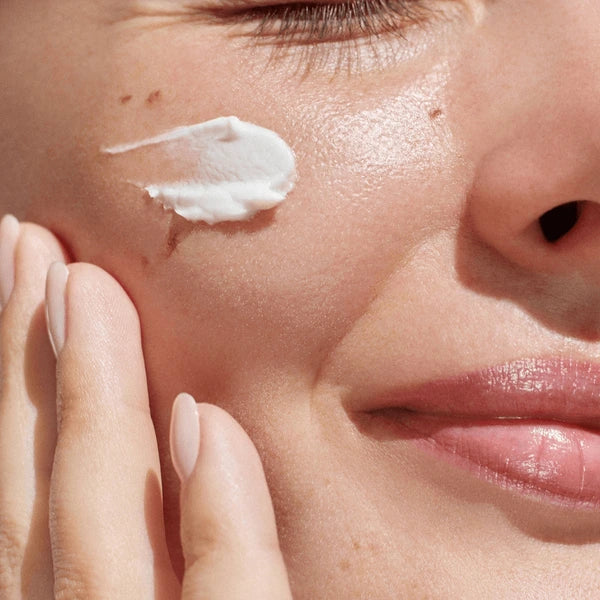
  • What you do after your session is just as important as the session itself. Discover how to choose the best moisturizer after red light therapy to lock in hydration and support your skin barrier. We look at key ingredients like Ceramides and Squalane that help "seal in" the LED results and keep your skin plump and protected.

  • by Skin Trusted Editorial Team
  • 3 min read
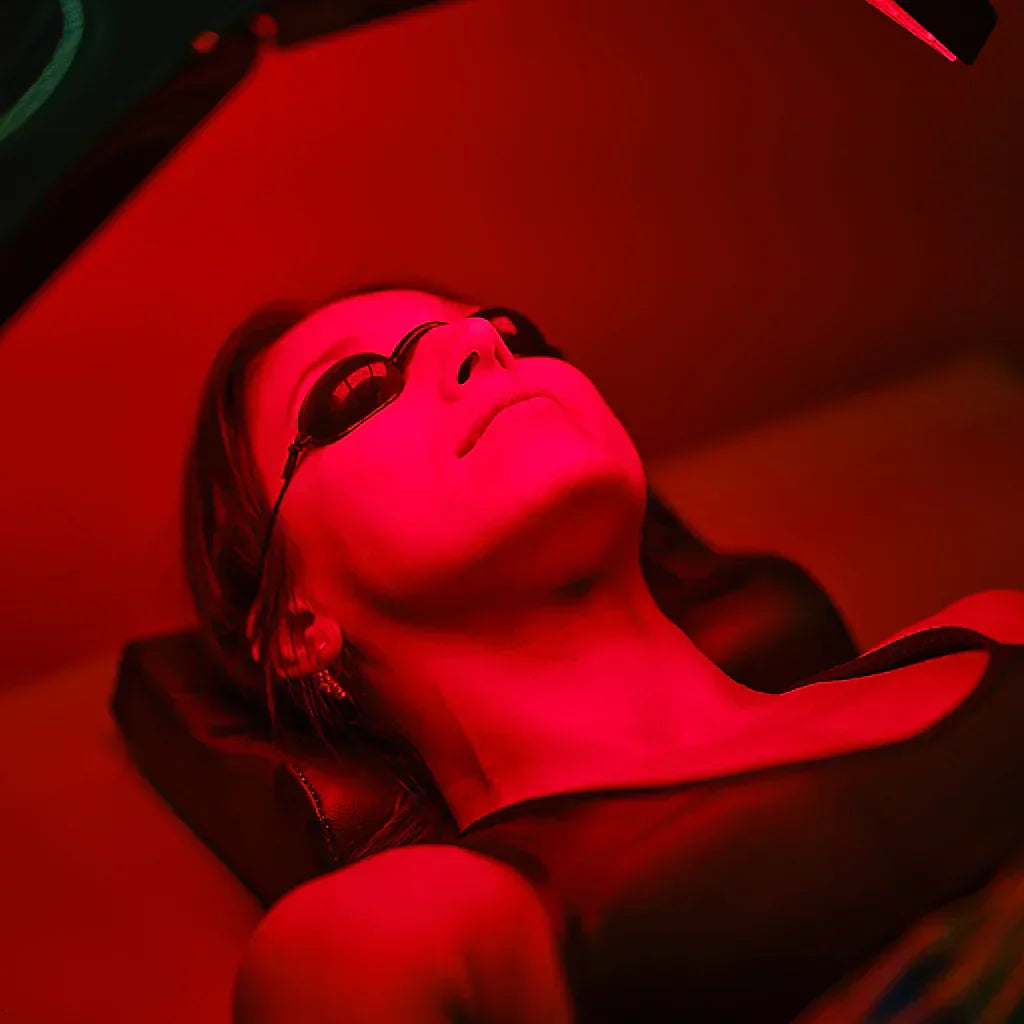
  • Do you need eye protection for red light therapy mask sessions? While LED therapy is a skincare breakthrough, high-power devices require proper ocular safety. Learn why medical-grade silicone eye shields are essential for protecting your vision from intense 415nm blue and 630nm red light during your 10-minute professional treatment.

  • by Skin Trusted Editorial Team
  • 3 min read