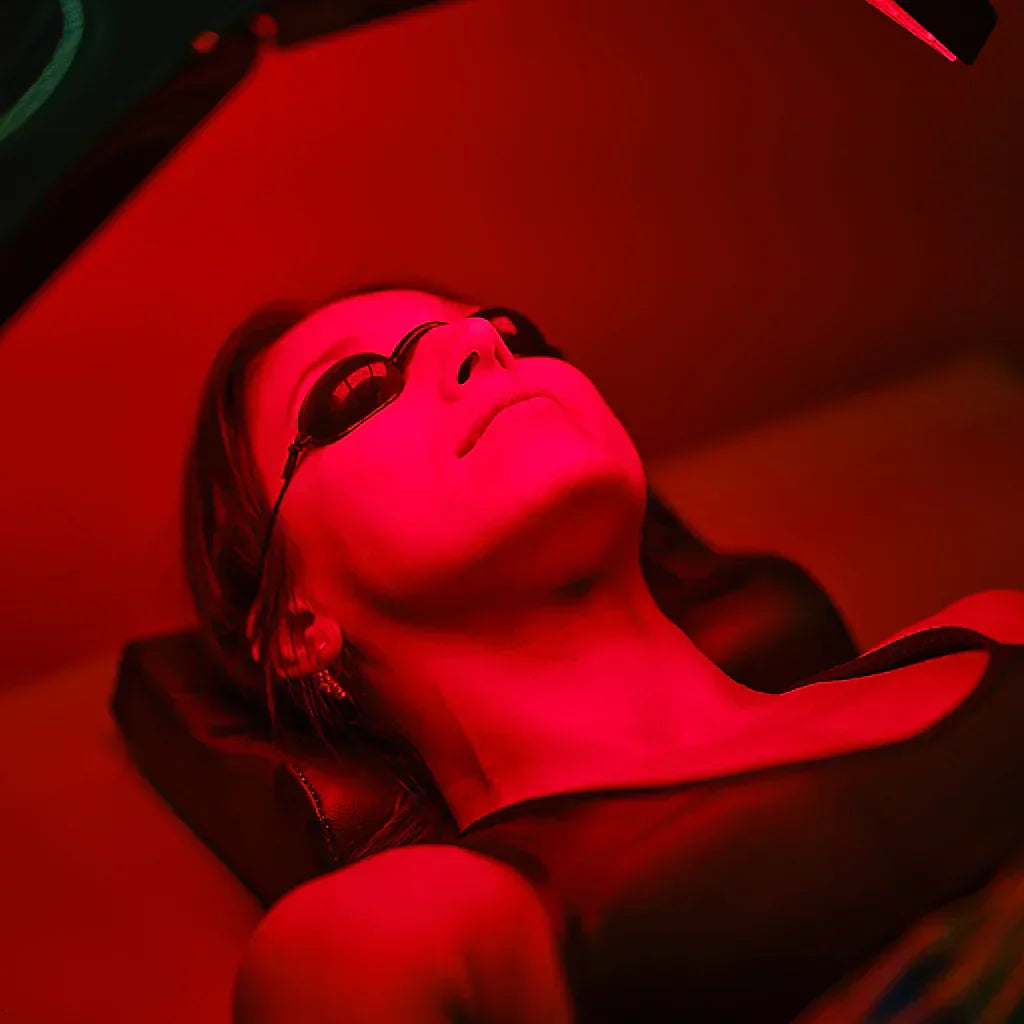
Does Blue Light Therapy Work for Acne? What the Research Shows
The honest answer is yes — with important nuance about what type of acne it works best for, how significant the effect is, and what it can and cannot replace.
The Evidence for Blue Light Alone
Multiple controlled studies have examined blue light therapy for inflammatory acne. A study published in the Journal of Investigative Dermatology demonstrated that blue light at 415 nm produced a statistically significant reduction in inflammatory acne lesions compared to control. The mechanism — porphyrin activation and subsequent bacterial destruction — was confirmed histologically.
A systematic review published in the Journal of the American Academy of Dermatology examining phototherapy for acne concluded that blue light therapy showed meaningful efficacy for mild to moderate inflammatory acne, with a favorable safety profile compared to pharmaceutical alternatives. The review noted that patient-reported tolerance was high and side effects minimal — primarily mild, temporary redness in some cases.
The effect size for blue light alone is meaningful but moderate. It works. It is not as fast-acting as oral antibiotics for severe cases. Its advantage is its safety profile, its lack of antibiotic resistance contribution, and its suitability for long-term maintenance use.
The Evidence for Blue and Red Light Combined
The strongest clinical evidence for at-home LED treatment of inflammatory acne comes from studies using combined blue and red light. A widely cited study published in the Journal of Investigative Dermatology compared blue light alone, red light alone, combined blue and red light, and a control group over a treatment period of twelve weeks. The combined blue and red light group showed a 76 percent reduction in inflammatory lesions: a result significantly better than either wavelength used alone and substantially better than the control.
A separate controlled study found that combined blue and red light outperformed 5% benzoyl peroxide for inflammatory acne over the same treatment period, with significantly lower rates of adverse skin reactions.
These results form the clinical basis for recommending a combination device over a blue-light-only device for anyone treating inflammatory acne at home.
What Blue Light Does Not Treat Well
Blue light therapy is most effective for inflammatory acne - papules, pustules, and early cysts where bacterial activity and inflammation are the primary drivers.
It is less effective for:
- Non-inflammatory acne (blackheads and whiteheads) — these are caused primarily by pore blockage rather than bacterial inflammation. Blue light does not address the comedone formation that drives this type of acne, though red light can improve skin texture over time.
- Severe cystic or nodular acne — deep, severe acne typically requires medical treatment. Blue light therapy can be a useful adjunct but should not replace dermatological care for severe cases.
- Hormonal acne — when breakouts are driven primarily by hormonal fluctuations, reducing bacterial populations helps but does not address the root cause. Blue light can reduce the severity of hormonal breakouts but is unlikely to eliminate them entirely without addressing the hormonal driver.
- Post-acne marks and scarring — blue light does not treat existing pigmentation or scarring. Red and near-infrared light improve circulation and support skin healing, which can help fade post-acne marks over time, but this is a secondary benefit rather than a primary function of blue light.
Does Blue Light Therapy Work for Acne? What the Research Shows
The honest answer is yes — with important nuance about what type of acne it works best for, how significant the effect is, and what it can and cannot replace.
The Evidence for Blue Light Alone
Multiple controlled studies have examined blue light therapy for inflammatory acne. A study published in the Journal of Investigative Dermatology demonstrated that blue light at 415 nm produced a statistically significant reduction in inflammatory acne lesions compared to control. The mechanism — porphyrin activation and subsequent bacterial destruction — was confirmed histologically.
A systematic review published in the Journal of the American Academy of Dermatology examining phototherapy for acne concluded that blue light therapy showed meaningful efficacy for mild to moderate inflammatory acne, with a favorable safety profile compared to pharmaceutical alternatives. The review noted that patient-reported tolerance was high and side effects minimal — primarily mild, temporary redness in some cases.
The effect size for blue light alone is meaningful but moderate. It works. It is not as fast-acting as oral antibiotics for severe cases. Its advantage is its safety profile, its lack of antibiotic resistance contribution, and its suitability for long-term maintenance use.
The Evidence for Blue and Red Light Combined
The strongest clinical evidence for at-home LED treatment of inflammatory acne comes from studies using combined blue and red light. A widely cited study published in the Journal of Investigative Dermatology compared blue light alone, red light alone, combined blue and red light, and a control group over a treatment period of twelve weeks. The combined blue and red light group showed a 76 percent reduction in inflammatory lesions: a result significantly better than either wavelength used alone and substantially better than the control.
A separate controlled study found that combined blue and red light outperformed 5% benzoyl peroxide for inflammatory acne over the same treatment period, with significantly lower rates of adverse skin reactions.
These results form the clinical basis for recommending a combination device over a blue-light-only device for anyone treating inflammatory acne at home.
What Blue Light Does Not Treat Well
Blue light therapy is most effective for inflammatory acne - papules, pustules, and early cysts where bacterial activity and inflammation are the primary drivers.
It is less effective for:
- Non-inflammatory acne (blackheads and whiteheads) — these are caused primarily by pore blockage rather than bacterial inflammation. Blue light does not address the comedone formation that drives this type of acne, though red light can improve skin texture over time.
- Severe cystic or nodular acne — deep, severe acne typically requires medical treatment. Blue light therapy can be a useful adjunct but should not replace dermatological care for severe cases.
- Hormonal acne — when breakouts are driven primarily by hormonal fluctuations, reducing bacterial populations helps but does not address the root cause. Blue light can reduce the severity of hormonal breakouts but is unlikely to eliminate them entirely without addressing the hormonal driver.
- Post-acne marks and scarring — blue light does not treat existing pigmentation or scarring. Red and near-infrared light improve circulation and support skin healing, which can help fade post-acne marks over time, but this is a secondary benefit rather than a primary function of blue light.